

Swedish forestry is a global model of sustainability
Sweden’s forest economy combines legal protection, public access, and near fossil-free production. These five facts reveal how Swedish forestry supports a circular bioeconomy and why it stands out globally.
1. Sweden is heavily forested
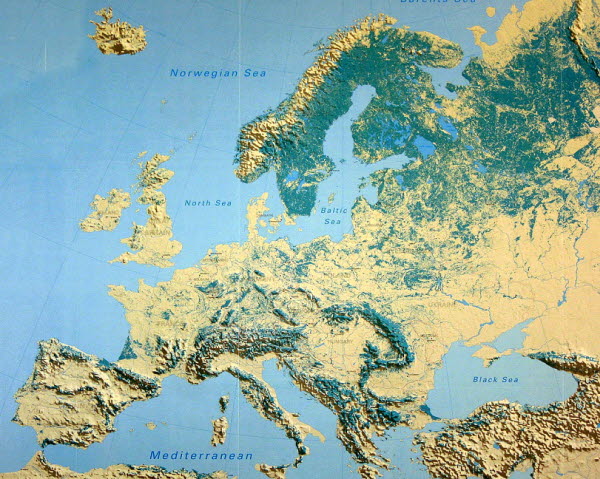
Unlike most of continental Europe, Sweden is so heavily forested that open areas are actually the exception. Over 70 per cent of the country is covered by trees.
2. Legal forest protection began in 1903
The Swedish Forestry Act of 1903 is one of the world’s first environmental laws. The Act states that anyone harvesting forest must regenerate it. For example, Holmen plants 35 million seedlings every year, and for at least the past 60 years, has never harvested more than the annual growth. When a forest company wants to harvest a section of forest, it must first submit a permit plan, which is open to public debate. They must also provide deadfalls and standing stumps to help insects and birds make the transition to the young trees.
3. The Swedish countryside is open to everyone
In Sweden, the Right of Public Access is an unwritten law that allows everyone to walk, jog, cycle, ride, or ski through forests and countryside, and across other people’s land, provided they do not damage crops, tree plantations, or other sensitive areas. They can also freely pick berries and mushrooms. One side benefit of this right to roam is that forestry companies’ operations are highly transparent.
4. Sweden is the world’s third-largest exporter of forest products
Sweden is only one-twentieth the size of the U.S., but exports almost the same amount of pulp, paper and sawn wood. Forestry provides between 9 and 12 per cent of the Swedish industry’s total employment, exports, sales and added value.
5. Sweden's forest economy is nearly fossil-free
Through steady investment, Sweden’s pulp and paper industry has become almost entirely powered by renewable resources. Since 1980, the industry’s annual oil consumption has been reduced by roughly 90 per cent, primarily through the increased use of biofuels and wind power. For example, Holmen powers its Swedish Iggesund Mill with lignin left over from the very trees its processes.
Created 5 December 2023.