

"We like to work with complementary colours or matching tones. If I'm free to choose ingredients, I like to combine finer ones with the imperfect."
Food presentation on paper
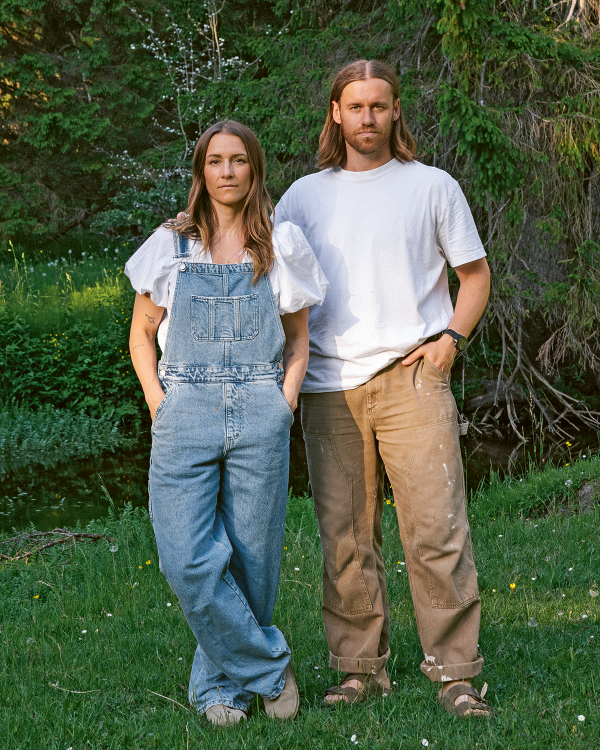
To visually capture food is not only about creating an appealing photo. The image should also evoke memories and feelings – making us want to eat or recreate those appetizing dishes. We invited food stylist Malin Fränberg and photographer Philip Nordin from Matbyrån Sthlm to create that perfect image, using what nature has to offer.
The biggest challenge in food images
Malin Fränberg has always been passionate about food, nature and cultivation, and she began her career as a chef, before she changed profession to food styling and photography seven years ago. We asked her what she perceive as the biggest challenge in creating food images for print.
"That would be to bring out the textures and the shine – the things that make the food come to life. Today we are spoiled with screens lighting up our images, so we need to reinforce what makes the food appetizing when it is intended for print. With the right choice of paper, you can also enhance the qualities of the image", Fränberg says.
Composing for interest
Philip Nordin has worked as a photographer since 2024. His main interest lies in light setting, composition and technology. When they were set the task to create attractive food images, we asked them both to share their thoughts on composition.
"I usually use the angle that is most favourable to the dish", says Nordin. "But rules are there to be broken, so sometimes it can be smart to think the opposite."
Break the balance
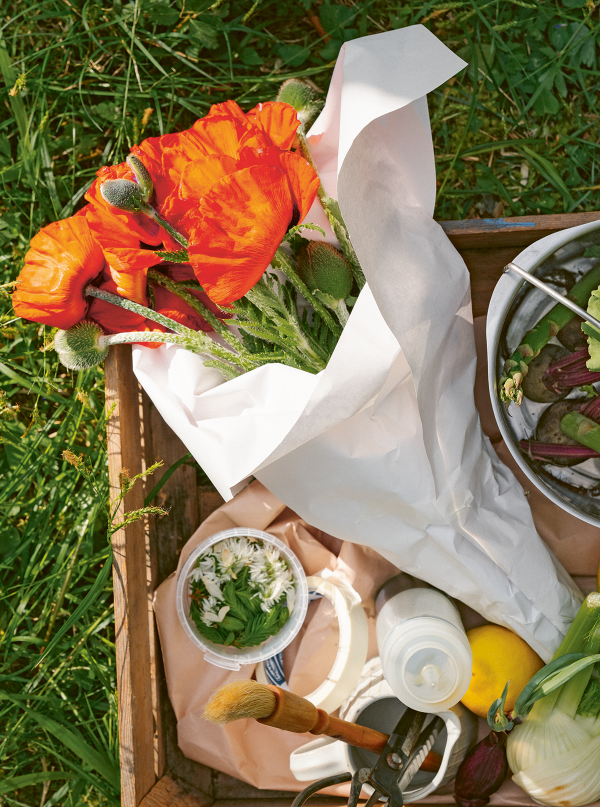
"Also dare to break the balance to create an interesting picture", Fränberg adds. "Crop objects, leave some dishes half plated or half eaten, to leave something to the viewer's imagination", she suggests. "But the photo needs enough information so that you can imagine what the finished dish will look like."
Let the setting tell a story
The choice of ingredients and props for the image will be key to the final result.
"We like to work with contrasting colours or tone on tone", Fränberg explains. "If I’m free to choose ingredients, I like to combine finer ones with the imperfect. Beautiful ingredients, such as artichokes, can actually become quite uninteresting in the long run, because no one relates to something perfect.”
Mixing old and new
She likes to mix old and new props, and she has a weak spot for handmade ceramics as they tell a story. She usually tries to build a setting that reminds the viewer of where the food is served, in what kind of restaurant, home, or country.
All this aligns with the philosophy of Matbyrån Sthlm and their view of what the perfect food image should achieve.
"The perfect picture creates harmony, curiosity and joy. It should make you curious but also leave something to the imagination. And, it should put you in a good mood", Philip Nordin concludes.
Essentials of memorable food presentation
By focusing on texture, atmosphere, and colour, food photography can move from descriptive to immersive. Here are three tips from Matbyrån Sthlm:
The texture
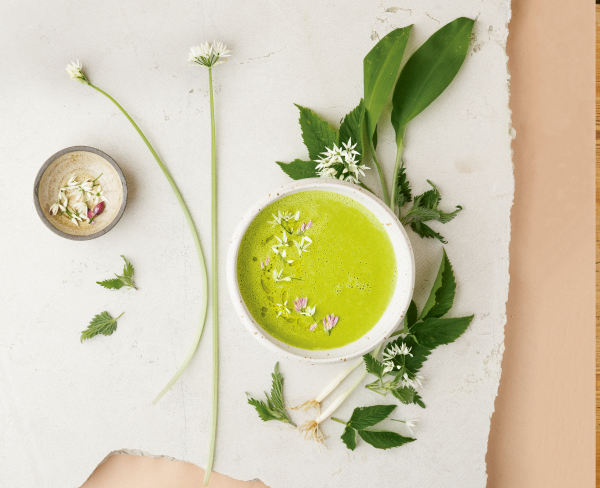
Bring out the textures and the shine – the things that make the food come to life.
The setting
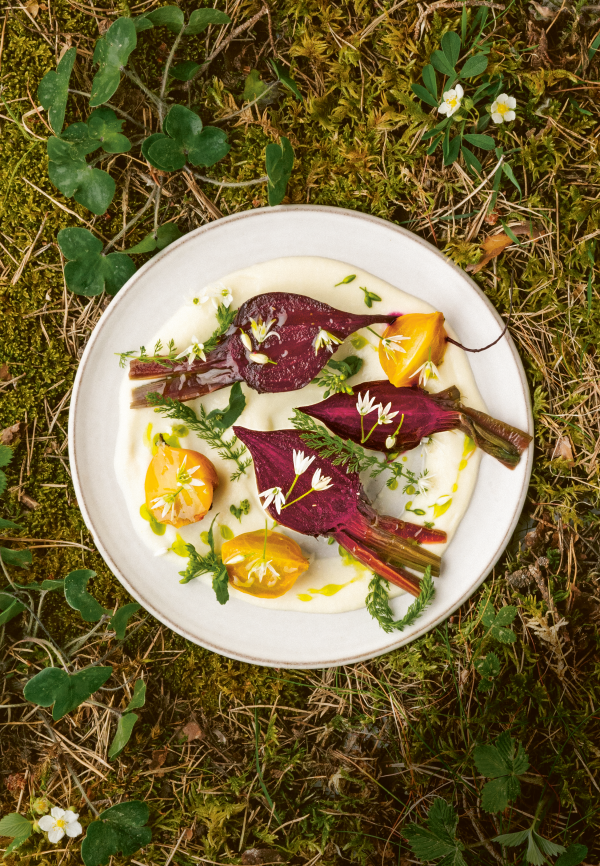
The forest at dusk is a perfect location for a photo shoot. Use the side light to bring out contrasts and shadows. In post-production, make sure the image has coverage in both shadows and highlights.
The composition and colours
The complementary colours red and green create contrast and a visually appealing composition on the plate. The dark parts of the moss have a lush tone to make all the details visible.
And the paper choice
Use uncoated paper for a natural feel. The raw, natural feel of a matt, uncoated paper like Holmen TRND not only reinforces the images, but also the sharpness and level of details of the ingredients.
All Holmen's papers are produced with a low climate impact, using 100% fresh fibres from sustainably managed Swedish forests.
This is an excerpt of the article The Perfect Plate, written by Anna-Lena Ahlberg, printed in PAPER #8.