

Premiumisation of paper products
Print is being repositioned from hub to spoke, according to a report from FIPP. Earlier, printed magazines used to be the core content delivery platform. Today, it’s one channel among all the different channels in the brand wheel.
This means it will be important for media companies to use of the strengths of print and paper as a channel for interacting with the user.
Powerful characteristics
Looking at magazine publishing trends, here are three powerful characteristics that make print a premium product:
- High levels of reader attention and engagement
- Immersive reading experience
- Inherent authority and credibility
- Tactile and creative characteristics which are very different from most digital media and cut through the digital clutter
Creative development trends
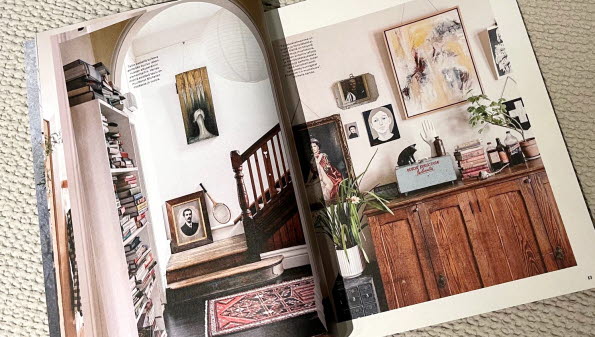
The changing nature of print has led to a change in publishing. Tightly niched and often highly creative new wave magazines, with small circulation, populate and inspire different parts of the market. These are magazines demonstrating the passion for something, such as arts or crafts, or even content from a specific consumer-targeting brand aiming to reach the public through subcultural bonding. This premium print strategy makes it possible to cut through the noise and be in a world of something collectible and tangible.
One-shots
Another trend is the emergence of one-shots and bookazines. This category is on the rise, and the distinction between regular magazines and one-shot issues blurs, for example in the form where a series of one-shots is packaged under an over-arching brand.
Premiumisation of paper
A majority of FIPP’s members see print as a premium, luxury platform in their portfolio. These publishers tend to push up the cover price, and make sure to offer print and digital bundles with high value. They are also good at actively recycle archive content into different products such as bookazines, guides and calendars.
The rest have a more obvious focus on cost-cutting, trying to hold the cover prices at current levels. Cost-cutting also involves taking out low-circulating days and going digital only for those editions.
Go premium and cut costs
In our experience as paper producers, it’s possible to go premium with the printed product and still cut cost. Using a high-bulk uncoated magazine paper means you can make a thick magazine with low distribution cost and still catch attention with excellent haptics and image reproduction.
Sustainable print media
One of the main issues that the FIPP report points out revolves around the sustainability of paper-based products. A number of different sources confirm that environmental impact has a growing influence among consumers, and this affects their views on paper and print.
"However, print publishers argue that many consumers simply do not understand the complexity of the print versus digital debate when looking at the end-to-end process", the report states, and underlines the need for better communication and education from the industry in general.
Sourced from commercial forestry
"Paper fibres are generally obtained from the top quarter of a tree. The main part of a harvested tree is used for construction and furniture manufacture, and paper mills are traditionally part of bigger groups associated with timber production," explains Danny Doogan from Denmaur in the report.
He also points out that paper comes from commercial forestry, not ancient woodlands or tropical rain forests, and that the paper industry is among the most regulated in the world. Certified producers follow strict international standards for health and safety, quality, environmental and energy management.
Visit the FIPP webpage to read the full report.
Source "The future of print – Defining the new role of magazines in today's media mix" from FIPP