

To Engelsons catalogues are a must
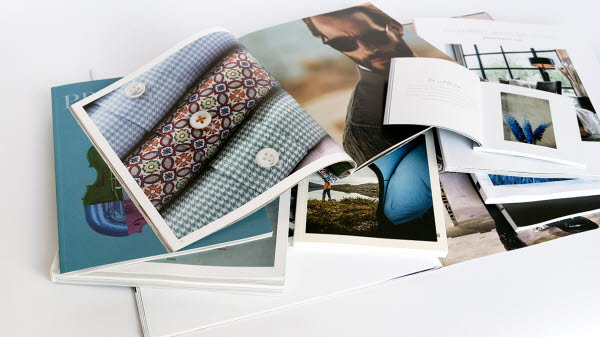
Printed catalogues combined with digital channels, and a pinch of analysis. That’s the perfect recipe for communication. At least according to Engelsons, a well-known Swedish retailer specialising in clothes and gear for hunters and outdoor enthusiasts.
Starting out as a mail order firm in 1974, the catalogue was essential from the beginning and still has a strong position in the company’s marketing.
“Our customers are used to the medium, and through the years we can see that the catalogue really has made an impact."
"We continuously measure all our channels, and the catalogue still has a positive effect,” says David Sonfalk, project manager and business developer at Engelsons.
Sent to 400,000 homes
The catalogue comes out 10 times a year, focusing on different themes or seasons. At most it’s sent to 400,000 homes, but some catalogues are segmented to certain interests, such as hunting. “Our customers get a pretty good overview of all our products. Something that I think is hard to get online,” says Sonfalk.
Engelsons can also see how other channels such as search engine marketing get more clicks right after the catalogue is out. “We will definitely not stop making catalogues. We might look over the volume and how many we post, but the catalogue is here to stay", says Sonfalk.
Why catalogues work better
“Digital is one dimension of modern retail and it underpins it all, but it’s only one aspect,” says Ian Johnston, Founder and Creative Director of UK-based retail experience consultancy Quinine, in an earlier interview for our customer magazine PAPER. “Not all customer experiences translate well to digital – and people are starting to realise this."
Two of the main reasons why companies should never move away from catalogues, according to Johnston:
- Brands have to figure out ways of presenting themselves in people’s homes, and this is an opportunity.
- The catalogue takes you away from browsing, inviting you to create your own narrative without distraction and being told ‘what other people bought'.
Catalogues drives sales and inquires
To test how effective catalogues are, Print Power partnered with a U.S. based specialty luxury watches and jewelry e-commerce retailer with a global clientele and without physical store presence. The company generates annual revenue of $60 million and operating profit of $12 million, with a database of approximately 28,000 customers.
The study consisted of two groups, one that got e-mail plus a catalogue, while the second only received an e-mail. Results showed that the group that got a catalogue experienced a 15% lift in sales and a 27% lift in inquiries, compared to the Email-only group.
One reason for this was that customers judged the product descriptions to be a lot more vivid after reading the catalogue. Another that they felt it was much easier see themselves wearing the items after seeing them in the catalogue.
You can read more about the research at Print Power.
This text is an excerpt from the text "Catalogue hunter" by Richard Halling Lindholm, published in PAPER #7.